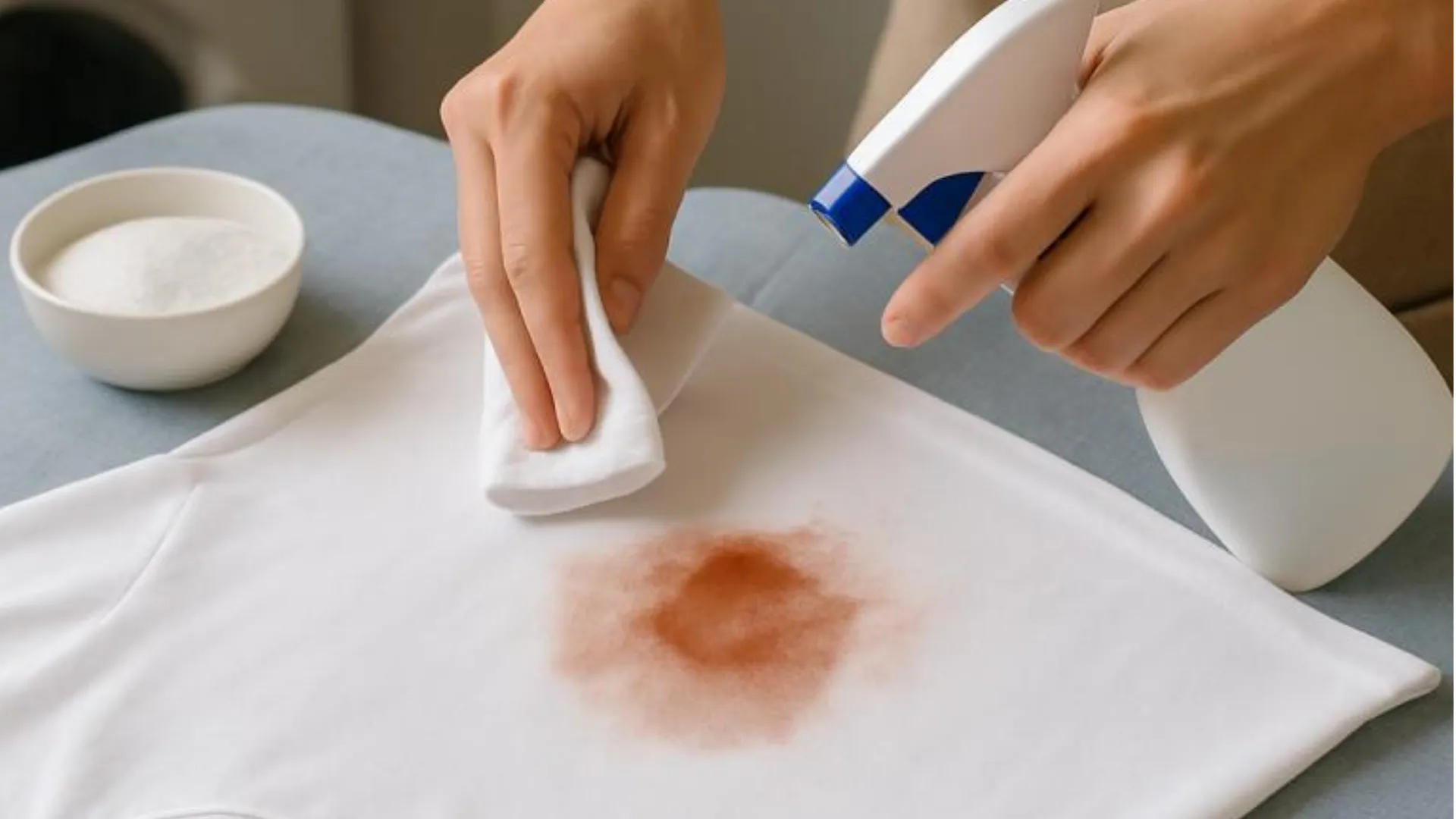
Learning how to remove stains from clothes can help you care for your favourite outfits and keep them looking fresh. Tea spills, coffee marks, cooking oil and food stains can happen at any time. The right cleaning method depends on the type of stain, the fabric and how long the stain has been there.
At Mr Bright Laundry, we believe that good fabric care starts with simple habits. Here are seven practical tips to help you treat common clothing stains without causing unnecessary damage.
1. How to Remove Stains from Clothes Quickly
The first step in stain removal is to act as soon as possible. Fresh stains are often easier to treat than marks that have dried or set into the fabric.
Follow these basic steps:
- Gently blot the stain with a clean cloth to absorb excess liquid.
- Avoid rubbing the area aggressively, as this can spread the stain.
- Check the garment’s care label before applying water or a cleaning product.
- Use a suitable detergent or stain treatment according to its instructions.
- Check the stained area before drying or ironing the garment.
Remember that not every stain can be completely removed. Results depend on the fabric, stain type and previous cleaning attempts.
2. How to Remove Tea and Coffee Stains
Tea and coffee spills are common, especially on shirts, trousers and light-coloured clothing. If left untreated, they can leave visible brown marks.
Start by blotting the spill with a clean cloth. If the care label allows it, rinse the affected area with cool water. Apply a small amount of suitable laundry detergent and follow the product instructions before washing the garment as directed.
Avoid using hot water without checking whether it is appropriate for the fabric. Once the wash is complete, inspect the stain before putting the garment in a dryer or ironing it.
For delicate or dry-clean-only clothing, seek professional advice rather than experimenting with home remedies.
3. How to Remove Oil and Grease Stains
Cooking oil, butter and greasy food can leave marks that are difficult to remove with water alone.
First, gently blot excess oil using a paper towel or clean cloth. Do not scrub the stain, as this may push the oil deeper into the fibres.
Next, apply a fabric-safe liquid detergent or suitable stain remover, following the product label. Wash the garment according to its care instructions and check the affected area before drying.
Avoid applying strong chemicals or high heat without confirming that they are suitable for the garment.
4. How to Remove Food and Sauce Stains
Food stains vary depending on their ingredients. A sauce may contain oil, spices, colouring or other substances that require different treatments.
Remove any solid food gently with a spoon. Blot the remaining stain instead of rubbing it into the fabric. If the garment permits, rinse the area with cool water and use a suitable laundry detergent.
For brightly coloured sauces, check the garment carefully after washing. If the mark remains, avoid ironing or tumble-drying the item until you have considered an appropriate treatment.
5. How to Treat Sweat and Deodorant Marks
Sweat and deodorant can leave yellowish or white marks around collars, underarms and other areas of clothing.
Use a detergent or stain treatment suitable for the garment’s fabric and colour. Follow the product directions and avoid combining different cleaning products.
For white garments, do not assume that bleach is always the best solution. Some fabrics can be weakened or discoloured by unsuitable products. Coloured clothes and delicate fabrics need particular care.
If the marks persist, consider professional cleaning instead of repeatedly scrubbing the same area.
6. How to Remove Ink Stains Carefully
Pen ink can spread quickly, so it is important to avoid rubbing it. Place a clean absorbent cloth underneath the affected area and gently blot the stain if the fabric permits.
Ink types vary, so there is no single method that works for every garment. Check the care label and test any suitable stain treatment on an inconspicuous area first.
Avoid applying alcohol, bleach or other strong products without confirming that they are safe for the fabric. For delicate, expensive or dry-clean-only garments, professional advice is the safer option.
7. Prevent Stains from Becoming Permanent
Preventing stains from setting can make clothes care easier. These simple habits can help:
- Treat spills promptly instead of leaving them until laundry day.
- Keep stained garments separate from clean clothes.
- Follow the care label before choosing a washing method.
- Avoid mixing cleaning chemicals.
- Do not apply heat until you have checked whether the stain remains.
- Test a cleaning product on a hidden area when appropriate.
- Avoid aggressive scrubbing on delicate fabrics.
For additional guidance on understanding garment care labels, visit the Federal Trade Commission’s clothing care labelling guidance.
When Should You Choose Professional Laundry Care?
Some stains need extra attention, particularly on silk, wool, embellished clothing and other delicate garments. Repeated home treatments may cause more damage than the original stain.
Mr Bright Laundry offers laundry and dry cleaning services in Lucknow, with convenient pickup and delivery options. If you need help caring for your clothes, explore our laundry service in Lucknow and dry cleaning service pages.
When handing over a stained garment, tell the team what caused the stain and which products you have already tried. This information can help them assess the appropriate cleaning approach.
Final Thoughts
Knowing how to remove stains from clothes starts with quick action, gentle handling and the right cleaning method for the fabric. Avoid aggressive scrubbing, unsuitable chemicals and unnecessary heat.
If a stain is stubborn or the garment requires special care, professional advice can help you avoid making the problem worse. With a little attention and the right approach, you can care for your wardrobe more confidently.